
Laurens County Magistrate Warrants Require Court Review
South Carolina Code §22-5-110 sets out how a magistrate handles an officer's request for an arrest warrant, and it also allows a courtesy summons when no warrant is sought. That path is a judicial decision. It is not a public search service. Reading the statute tells you how process may begin in Laurens County; it cannot tell you whether a particular warrant was issued, served, or still active. For a case-specific answer, find the magistrate or court named on the paper and ask that office to confirm the latest event. The Sheriff's Judicial Services unit can field service and return questions instead.
Laurens County Arrest Warrants Explained
An arrest warrant authorizes taking a person into custody through court process. South Carolina law has an officer seek a magistrate arrest warrant, though the same statute permits a courtesy summons when no warrant is requested. Miss the summons and a warrant can follow, built on the original sworn statement and a fresh probable-cause review. A search warrant works differently, since it authorizes a search under its own affidavit and return process. A news story about a search warrant in Laurens County says nothing about an arrest warrant for anyone.
South Carolina Arrest Requests Start With Officers
Under South Carolina Code §22-5-110, a magistrate may issue an arrest warrant only when an officer seeks one. No officer request, and the court may instead issue a courtesy summons. A missed summons can send the case back for probable-cause review on the original sworn statement. Remember that this route is a court decision, not a public warrant-search field for Laurens County. The magistrate arrest-warrant statute spells out the legal process itself.
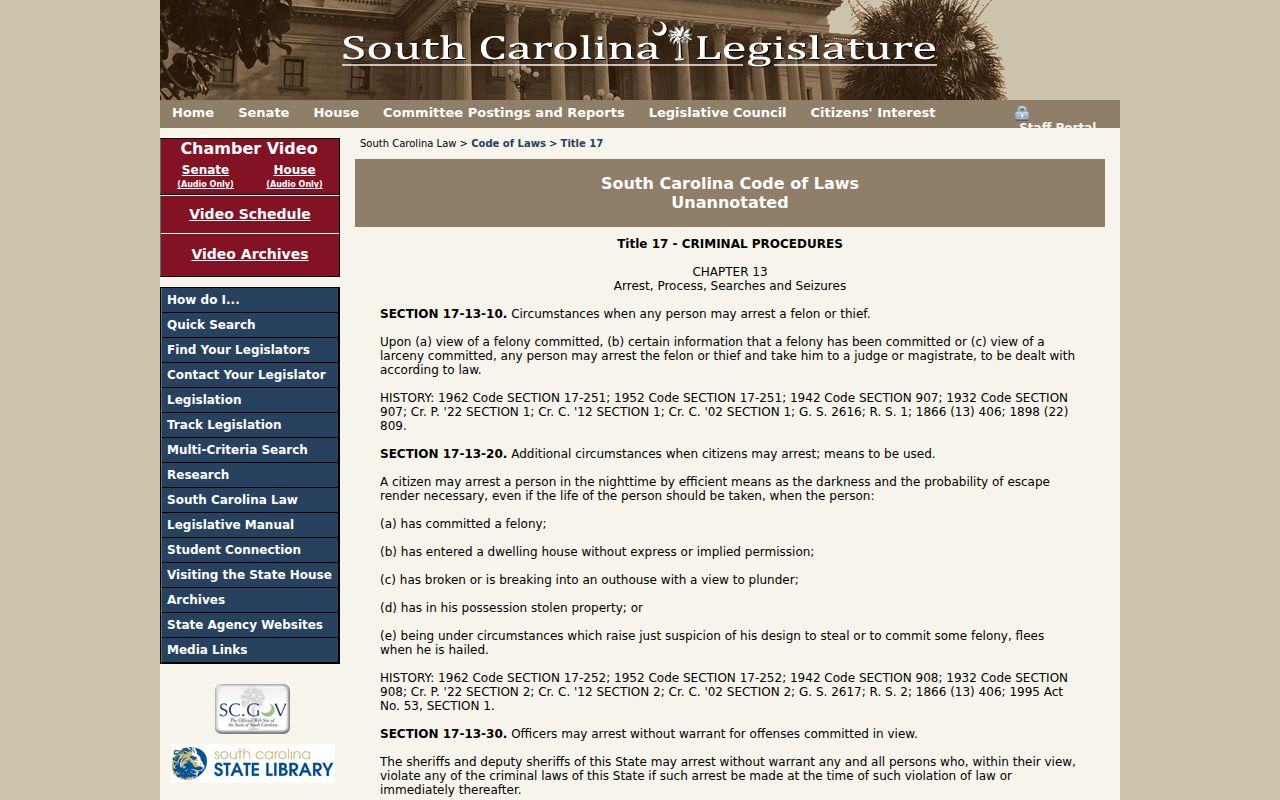
The statute explains how a warrant may issue. The Laurens County court handling the case confirms its actual status.
Inside a Laurens County Arrest Warrant
The Laurens magistrate application is a blank form schema rather than a current result. It asks for the applicant, defendant, offense, location, date, witness, incident report, narrative, and judicial signature. A public-facing extract may show case and court details, but the county publishes no exact local export. Sensitive descriptors from the form stay out of any public guide.
| Case number | Court case number is a field label only, not a real warrant. |
|---|---|
| Named party | Use only lawfully releasable information. Do not infer status from a similar name. |
| Charge or offense | Identifies the alleged matter tied to the process, subject to redaction. |
| Issuing court | Shows which court to contact about current status or the next hearing. |
| Bond / court event | Ask the court or Bond Court; no countywide bond amount table was located. |
| Issue / return dates | Ask whether service, return, or later court action has been posted. |
The Laurens Warrant Application Has Private Fields
The Laurens County warrant application form asks for a lot of private detail. Addresses, phone numbers, birth date, and Social Security number come first. Then physical descriptors, vehicle information, witnesses, relationships, and any prior case history. A magistrate reviews those fields when weighing the request, which is exactly why they stay off any public sample. The form itself tells the applicant to report the matter to law enforcement first and get an incident report before bringing the warrant request to a magistrate. Treat it as a blank schema reference only. Public-record access still runs through exemptions, redactions, and case-specific limits.
Serving Arrest Warrants in Laurens County
The Sheriff's Office says its Warrant Unit receives, enters, serves, and returns arrest warrants in step with the court system. Older official material describes coordination with other agencies and service outside Laurens County. City police may handle city work, and the issuing court stays the source for the case and any recall event. Once an arrest happens, custody and bond questions route through Johnson Detention Center and Bond Court. Their public pages promise no universal walk-in surrender time or same-day release, so call the court, Judicial Services, or counsel before appearing.
Laurens County Warrant Process Runs Court to Return
The public material supports a process sequence, not a searchable list of applications:
- An officer reports the matter and makes a sworn request or the court uses a summons route.
- A magistrate reviews the request and probable-cause basis before issuing process.
- The warrant is entered for law-enforcement service, with the Warrant Unit coordinating its work.
- The officer’s service or return information goes back to the court for the case record.
Ask which stage your question concerns. The court controls issuance and later action in Laurens County; the sheriff addresses service and return.
Comparing Arrest, Summons, and Bench Warrants
These instruments arise at different points. The magistrate statute provides for an officer-requested arrest warrant or a courtesy summons. A bench warrant comes later, after a missed court requirement. For the Laurens County missed-date route, see the county's bench warrant information.
| Feature | Arrest Warrant | Summons | Bench Warrant |
|---|---|---|---|
| What it orders | Arrest under judicial process | Appear in court without arrest on that process | Return to court after a missed duty |
| Basis | Officer request and probable cause | Courtesy summons route | Failure to appear or comply |
| Who issues it | Magistrate or authorized judge | Court process under applicable rules | Judge in the existing case |
| Next step | Confirm status, counsel, and bond | Attend on the stated date | Ask the issuing court about recall or appearance |
Federal Warrants Use a Separate Route
Laurens County law enforcement may assist federal agencies, but a local sheriff page is no substitute for a federal warrant search. Federal cases run through the U.S. District Court in Greenville, federal counsel, and the U.S. Marshals for service questions. PACER can show federal docket items, not a complete index of unserved or sealed warrants. The federal court's Greenville location page lists the court's contact information.
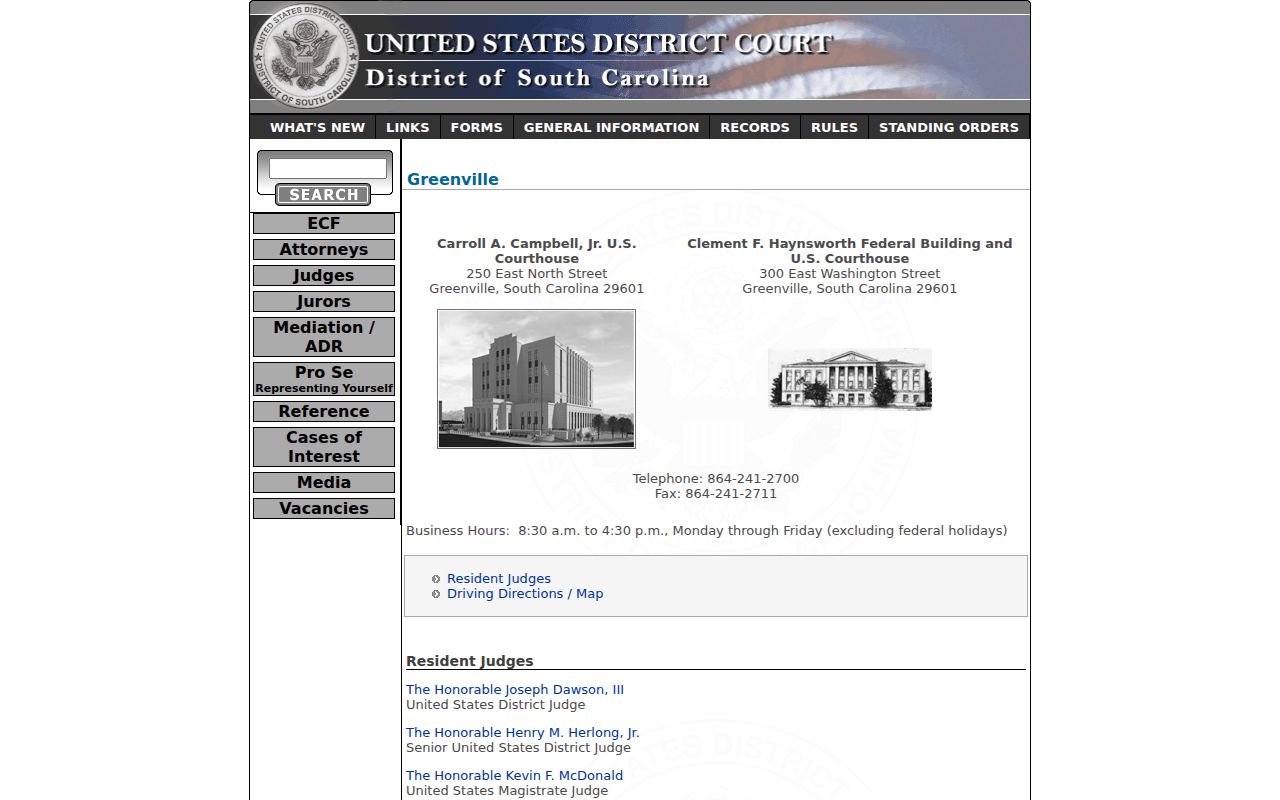
Federal status may be sealed or unavailable before service. For a known case, use counsel or the federal clerk rather than Laurens County offices.
If There’s an Arrest Warrant for You
A booking entry, a CATCH result, or a court event is only a lead. Only the issuing court can confirm the true status of a warrant. Get a lawyer to identify that court and shape a safe appearance plan. From there, the path depends on the case. It might mean an arranged surrender, a bond hearing, a scheduled appearance, or a motion to recall or quash. No Laurens County office publishes one walk-in schedule, bond amount, recall fee, or clearance window that covers every warrant. Johnson Detention Center does list Bond Court at 9 AM on weekends and county holidays, but no full weekday schedule appears. Ask the Laurens County court what happens to the underlying case after bond or payment, because neither step ends it.
Important: Contact counsel and the issuing court before appearing; a warrant can be served during a later law-enforcement contact.